
2024 in Review
Turning Our Vision into Community-Built Solutions
The Greenlining Institute Annual Report
Download Annual ReportThank you from Greenlining’s Board of Directors
Dear Friends and Supporters,
We are pleased to share The Greenlining Institute’s 2024 annual report, Turning Our Vision into Community-Built Solutions. This theme reflects not only the spirit of Greenlining’s work last year, but also the vision for where our team is taking this work in the years ahead.
2024 was a year we deepened engagement with our communities, secured tangible wins, and laid critical groundwork for what was to come. Across our policy, research, and leadership development programs, Greenlining remained laser-focused on building a future where communities of color can thrive — where intergenerational wealth building and economic opportunities are accessible, and resilience to climate change is rooted in equity.
We leaned into the lessons we have learned over the past three decades: investing in community wisdom, holding institutions accountable to equitable outcomes, and prioritizing multigenerational leadership.
With your support, we expanded our advocacy footprint, elevated the next generation of racial equity leaders through our Leadership Academy, and co-created solutions with frontline communities that are already delivering results.
As we move through 2025, Greenlining is facing an important moment to calibrate. Not because we have changed, but because the landscape has. Our grounding endures: the vision of our founders, the clarity of our mission, and the trust built with partners like you.
With your continued partnership, we will meet this next chapter with the same resolve that has guided us for 30 years — anchored in community, driven by passion and expertise, and a steadfast commitment to equity.
Impact AREA Policy development
Aligning Community Needs
with Systemic Policy Solutions
Throughout the year, Greenlining experts developed strategic and impactful policy proposals to advance equity for communities of color.
By working alongside community members, coalition partners, and lawmakers we fought to bring our policy recommendations into the forefront of policy debates while moving forward solutions that address the needs of communities of color and low-income neighborhoods.
SPOTLIGHT LEGISLATIVE AGENDA
Advancing a Blueprint for
Equity and Accountability
Our 2024-25 Legislative Agenda advanced Greenlined policy priorities that strike at the heart of interconnected systemic injustices and advance intersectional solutions that:
- Drive investments into communities that continue to bear the impacts of historic disinvestment
- Create transparency into how policy and investment decisions impact California’s communities with an emphasis on understanding inequitable impacts in communities of color
- Establish accountability for state agencies and lawmakers to embed equity into state initiatives
- Build power and capacity in communities of color that have been marginalized by past inequitable policies and practices.
Greenlining Priorities by the Numbers
55
Fact Sheets
44
Bills Supported
78
Support
Letters Signed
3
Co-Sponsored Pieces of Legislation
CASE STUDY BLUELINING
Confronting Emerging
Bluelining Practices
Climate disasters are intensifying and communities in climate-vulnerable regions are being left behind. The catastrophic hurricanes and wildfires in 2024 highlighted the need for insurance companies to be accountable to how their decisions may be bluelining communities out of access to financial resources.
Wake Up Call: A Community Case Study on Emerging Bluelining Practices, authored by Climate Finance Strategist Monica Palmeira and co-authors Emman Uy and Megan Leberth in October 2024, assessed 18 metropolitan regions across the U.S. facing climate risk for signs of bluelining.
The report highlights how the ongoing trend of bluelining has started to show itself in at-risk climate communities, and offers detailed recommendations for how to address this emerging crisis. Wake-up Call advocates for data transparency from financial institutions to address the root causes of bluelining, and to provide communities with the resources to withstand the continuous impacts of climate change.
In an interview with The New York Times on the impact of the recent hurricanes on communities in disaster-prone regions, report lead author Monica Palmeira called out the problem: “Insurance companies are allowed to essentially discriminate against climate-vulnerable communities.”

CASE STUDY AB 2086
A Win for Equitable and
Transparent Transportation
Transportation policy can and should be a tool for racial, economic, and climate justice. By centering equity and sustainability in legislative and funding decisions, lawmakers can reduce air pollution, build cleaner mobility options, and establish stronger, more resilient communities.
In 2024, Greenlining successfully co-sponsored the Transportation Accountability Act (AB 2086, Schiavo). AB 2086 created a standardized, data-driven framework to better understand how California’s multi-billion-dollar transportation investment package delivers real benefits to communities of color and low-income populations that have long borne the greatest burdens of inequitable transportation systems.
This transparency is the first step to ensuring that transportation investments prioritize benefits to the most impacted communities.
The passage of AB 2086 in September 2024 marked a major victory for equitable infrastructure in California, and set a key precedent for transparency in state transportation investments.

“Our communities deserve transparency and accountability to ensure we don’t replicate harms, and the state needs this information to target resources and maximize taxpayer dollars.”
Alvaro Sanchez, Vice President of Policy, explains the importance of tracking how transportation investments impact communities upon AB 2086’s introduction.
SPOTLIGHT ECONOMIC EQUITY
Advancing Economic Inclusion
Through Policy and Strategic Partnerships
Greenlining submitted federal policy comments to the FDIC and OCC on bank mergers, Department of Treasury on financial inclusion, and played a key role in the successful #DefendCFPB campaign. Our economic equity team’s work helped hold financial institutions accountable while strengthening partnerships with federal agencies and community-based organizations.
In California, we fought to protect and expand support for small businesses, actively supporting legislation that preserved $23 million in funding for California’s Technical Assistance Program and backing efforts to block proposed budget cuts to CTAP.
Additionally, we co-led the coalition strategy alongside CAMEO to pass SB 1482, which protects small businesses from predatory lending by requiring transparent financing disclosures; and SB 1103, which ensures fairness in commercial leases by clarifying building operating costs.
Through these efforts — and continued collaboration with the Minority-Owned Small Business Task Force — Greenlining reaffirmed our commitment to transforming financial systems, expanding opportunity, and centering the needs of communities that have long been excluded from economic prosperity.
CASE STUDY Climate Resilience
Protecting Communities
from Heat, Harm, and Disinvestment
In 2024, Greenlining advanced climate resilience and equitable decarbonization efforts across California.
We shaped policies to protect low-income communities of color from extreme heat, including advocating for indoor temperature regulations under AB 209 and influencing the design and equity goals of the Equitable Building Decarbonization Program.
Through coalition work with the Climate Resilient Communities Working Group and events like the Climate Change Bond press conference and community tour, experts elevated frontline community priorities to state legislators and regulators.
Additionally, we contributed equity-centered recommendations as part of the ICARP Technical Advisory Council, worked with the Healthy Homes Working Group to guide implementation of the Equitable Building Decarbonization Program, and co-chaired the California Resilience Partnership to advance climate financing and capacity-building for vulnerable communities.

“The people got left behind in this conversation… It’s a massive step backwards.”
Fatima Abdul-Khabir, Energy Equity Senior Program Manager, remarks to Grist on the importance of including community voices in the ongoing debate about how to effectively leverage clean energy resources.
CASE STUDY New report
Regulating AI to
Serve All Communities
As AI becomes more integrated into government systems –— known as GovAI — lawmakers and advocates must ensure these tools are designed with equity at the forefront — so they don’t replicate and perpetuate racist and discriminatory patterns.
Greenlining’s report, Building Fairer Futures: The Role of AI in Equitable Government Decision-Making by Vinhcent Le and Daniella Espinoza, examines three GovAI systems and provides concrete policy recommendations for embedding fairness into their design and use.
The report offers a framework for understanding how AI impacts community outcomes — from resource distribution to public investment — and calls on lawmakers to regulate AI to prevent digital discrimination and advance equity. The report builds on our 2021 report Algorithmic Bias Explained: How Automated Decision-Making Becomes Automated Discrimination.
CASE STUDY HMDA
California Home Lending Report Confirms Urgent Need for State CRA
Without intentional and immediate action from both policymakers and lenders, racial disparities persist when it comes to mortgage lending and homeownership.
In 2024, Greenlining produced the Home Lending to Communities of Color report for 2022 and 2023, as part of our ongoing strategy to hold financial institutions accountable. The report analyzes lending data reported under the federal Home Mortgage Disclosure Act or HMDA. The analysis found that racial disparities in home lending continue to lock communities of color out of the housing market, perpetuating generational wealth gaps and exacerbating the housing crisis.
Report author, Rami Ibrahim, Senior Coordinator for Economic Equity provided policymakers with several recommendations for how to address lending disparities including calling for the establishment of a state Community Reinvestment Act. Because nonbanks and fintechs are not subject to the Community Reinvestment Act requirements, they don’t have the same legal obligation as traditional banks to meet the credit needs of low-to moderate income borrowers responsibly and a state CRA could remedy that.
In an effort to lay the groundwork for a successful legislative campaign, we strengthened relationships and socialized the HMDA report with the Department of Financial Protection and Innovation by co-hosting a policy briefing with Rise Economy in Sacramento, and submitted two Greenlining support letters to pave the way for AB 801 (Bonta): The California Community Reinvestment Act, introduced in early 2025.
Impact Area Equity Implementation
Resourcing Decisionmakers to Advance Transformative Change
Historic budget deficits, increasingly damaging climate disasters, and a growing political narrative opposing equity made advancing community-driven climate priorities more difficult.
In 2024, Greenlining’s experts doubled down on equipping decision-makers and community leaders with the resources and tools necessary to equitably tackle tomorrow’s challenges and address today’s most pressing issues.
SPOTLIGHT Targeting Investments
Steering Climate Capital
Toward Communities That Need It Most
In 2024, the Inflation Reduction Act and Greenhouse Gas Reduction Fund presented an incredible opportunity to transform communities — if equity served as the guiding principle for implementation.
That’s why Greenlining joined the effort to actively build a pipeline of community-rooted projects and forge vital connections between local organizations and GGRF awardees to ensure these historic investments reach the communities who need them most.
As a proud member of the GGRF Equity and the Governance Best Practices Alliance — alongside partners like Just Solutions Collective, Rewiring America, Emerald Cities Collaborative, and NRDC — we co-created the Equity and Governance Pledge and the Best Practices Guide for NCIF and CCIA Applicants.
These tools are already helping to shift the field toward community-led, justice-focused implementation.
At the state level, we joined forces with Just Solutions Collective to help shape California’s approach, calling on the Infrastructure Bank and State Treasurer’s Office to design a “Green Bank” that delivers for people — not just projects.
Because true climate action doesn’t leave frontline communities behind — it starts with them.
CASE STUDY Equity Roadmap
Equipping Federal and State
Agencies with a Roadmap to
Equitable Community Transportation
For decades, discriminatory practices like redlining resulted in cycles of disinvestment in formerly redlined neighborhoods. Inequitable transportation infrastructure policies compounded these inequities, especially in communities of color which were often targeted for highways and industrial facilities, disrupting communities and saddling residents with higher levels of pollution.
The Roadmap to Equitable Community Transportation: Best Practices for Conducting Mobility Needs Assessments, authored by Yesenia Perez, Climate Equity Program Manager, highlights methods for conducting needs assessments and guides community engagement partners and transportation planners in determining how to design a mobility needs assessment process for their communities.
In an effort to determine how to best support organizations and communities who would most benefit from these federal dollars, tamika l. butler consulting and Greenlining interviewed and surveyed nearly 50 stakeholders with knowledge and experience working with State DOTs and compiled the report Beyond Engagement: Equity Principles to Guide State Departments of Transportation and Community Collaboration.
The report is aimed at helping CBOs and State DOTs better understand how to engage with each other in order to advance more equitable transportation policies and programs and offered recommendations for productive collaboration.

“There is no one-size-fits-all solution when it comes to equitable transportation — but by centering community voices through mobility needs assessments, we can design mobility systems that uplift underserved communities and reflect their priorities.”
Yesenia Perez, Climate Equity Program Manager, comments on why decision-makers should root transportation planning in the real-world needs of the communities that rely on transportation systems.
CASE STUDY California Climate Investments
Where Equity Meets Investment:
Shaping the Future of Climate
Justice Funding
During the last decade, policymakers at the state and federal levels made historic investments in climate change solutions to reduce emissions and build community resilience. In 2014, California launched its own climate funding initiative with an intentional emphasis on equity: California Climate Investments.
A Call to Invest in Community Power: Lessons from 10 Years of California Climate Investments for the State and the Nation developed by Greenlining and USC’s Equity Research Institute, highlights that a key ingredient to CCI’s successes is the ongoing contributions of the environmental justice ecosystem in steering and shaping public investments to serve communities with the greatest needs.
The comprehensive longitudinal analysis of CCI programs also makes clear which aspects of these programs are excellent with regard to equity, areas where delivering on equity can be improved, and places where the promise of equity has been derailed.
To maximize equity outcomes under Justice40, co-author Lolly Lim, Program Manager of Climate Investments Research, leveraged these research findings to highlight effective strategies for climate investments for the state legislature and agencies, peer organizations, philanthropic organizations, and the White House Council on Environmental Quality.
SPOTLIGHT TCC and RCC
Power in Partnership: Protecting Transformative
Climate and Resilience Programs
In the face of another historic state budget deficit, Greenlining and our long-standing coalition partners rose to the occasion to defend critical investments in climate equity programs.
As fierce advocates for the Transformative Climate Communities and Regional Climate Collaboratives programs, we knew these initiatives were too important to let fall by the wayside.
Greenlininers worked closely with local partners in Oakland, Stockton, San Diego, and Los Angeles to amplify community priorities, and elevate the impacts of TCC and RCC on formerly-redlined communities.
Together, we produced over 30 policy fact sheets and held meetings with more than 35 legislative offices during an intensive three-day lobbying effort.
Even as budget negotiations became increasingly difficult, policy experts and allies stayed the course — joining a powerful coalition of over 180 organizations to advocate for funding restoration through the climate bond. Thanks to this tireless statewide effort, $150 million was secured for the TCC and Extreme Heat and Community Resilience programs as part of Ballot Proposition 4, a $10 billion bond on California’s general election ballot that was voter approved in November 2024.
This win would not have been possible without the co-leadership of our coalition partners and the commitment of local advocates across the state. Together, we showed that when communities lead, bold climate action follows.

CASE STUDY Clean Fleets
Accelerating Clean Trucks,
Advancing Climate Justice
For decades, communities of color living near ports, railyards, and freight corridors have faced severe health impacts from truck pollution. That’s why, in April 2023, Greenlining’s Transportation Equity Team helped secure the passage of California’s Advanced Clean Fleets regulation through the California Air Resources Board regulatory process.
In 2024, we played a leading role in offering guidance for implementing the ACF rule as part of the CARB Truck Regulation Implementation Advisory Committee, while also gathering support in coalition to secure a waiver from the federal government. While the waiver was ultimately pulled from U.S. EPA consideration by CARB, this work set Greenlining up to work in greater partnership with national partners and state agencies. As one example, The Clean RIDES Network campaign launched in 2024 in an effort to advance policies to reform Department of Transportation practices and shift funding from highways to more active transportation, transit, and electrification options — with equity at the core.
ACF is more than a regulation — it’s a pathway to cleaner air, healthier communities, and climate equity. Greenlining will continue to push for bold, justice-driven solutions that ensure frontline communities are no longer left behind in our transition to a clean energy future.

“As we move towards a zero-emission future, our commitment to equity will determine the success of our efforts to create a cleaner, fairer world.”
Maurissa Brown, Sr. Program Manager for Transportation Equity.
Impact Area CAPACITY BUILDING
Elevating Local Leadership
to Drive Equitable Change
Greenlining’s Capacity Building team and Greenlining the Block team partners with communities of color to ensure they have equitable access to opportunities and the resources they need to drive meaningful change in their neighborhoods.
Our work centers on building the capacity of local leaders to create community-driven, equity-focused solutions that uplift and empower. By investing in their leadership, we help build lasting community power and self-determination — ensuring that decisions impacting people’s lives are made with them, not for them.
SPOTLIGHT GREENLINING THE BLOCK
Unlocked Millions in Capital for
Formerly Redlined Communities
In a landmark year for Greenling The Block, partners unlocked $117 million in grant funding and advanced capital projects that will bring transformative change to 24 communities across the country. With a focus on deepening the capacity and technical expertise of local community-based organizations, the GTB team disbursed more than $2 million in unrestricted grants and $757,500 in technical assistance — empowering 20 partners to independently hire experts for design, site control, and capital stacking.
Together, the Greenlining the Block project portfolio made big strides—advancing from early ideas to permit-ready plans.
Our team also submitted $40 million in direct federal applications, which was a first for several partners in Oakland and Detroit. Most notably, our partners acquired 12 properties and broke ground on flagship projects like Casa Familiar’s Resilience Center and EONI’s San Leandro Creek Greenway.
Finally, the Community of Practice curriculum led by Greenlining the Block Director George Lee and Program Manager Ariadne Villegas expanded to include a robust seven-part training series that Greenlining created in partnership with Community Vision and Equity Community Builders to continue to advance this model across the cohort members.
CASE STUDY Stockton, CA
Strengthening Community Through
Intentional Community Partnership
Since 2014, Greenlining has worked with Stockton community partners to build climate resilience at the neighborhood level. From hosting workshops and connecting cross-sector allies, to offering technical assistance to move community priorities into action, our work is rooted in a shared vision of a healthy, thriving Stockton.
This year, together with local stakeholders, we reactivated the Rise Stockton coalition, supporting other intermediary organizations such as Stockton Service Corps. The goal was to align technical assistance resources, identify new community supporters, and leverage current public funding opportunities for local infrastructure. Additionally, we offered grant tracking and grant writing support to help Stockton partners leverage current public funding opportunities for local infrastructure. As a result, Little Manila Rising secured $1.9 million from the California Strategic Growth Council for their community resilience hub project.
Finally, Greenlining served as a steering committee member for North Valley Thrive, a regional California Jobs First collaborative that is developing plans for economic growth and job creation in San Joaquin, Stanislaus, and Merced counties. We helped NVT shape and direct a $400,000 grant through CA’s regional economic development strategy and a $9,000,000 Catalyst Fund, aligning the fund to support capacity building for nonprofits and community-based organizations.
SPOTLIGHT TEEM
Roadmap for Equitable Mobility :
A National Strategy Rooted in Community
As part of a multi-year strategy, the Towards Equitable Electric Mobility launched the TEEM Platform in early 2024, building on the lessons learned and successes from TEEM partner state campaigns. Designed for federal, state, and local transportation agencies, transit authorities, and policymakers, the platform outlines five core principles for equitable electric mobility: equity and justice, emissions reduction, affordable access, health and safety, and wealth-building.
TEEM partnered with the University of California, Berkeley Center for Law, Energy, & the Environment (CLEE) to co-develop the Equitable Electric Vehicle Action Plan Framework. TEEM cohort members provided multiple rounds of feedback to the framework, ensuring that 1) equity and environmental justice considerations are incorporated, and 2) that case studies and examples relevant to municipalities from across the country are included. The Equitable Electric Vehicle Action Plan Framework is intended to accelerate municipal efforts to secure federal, state, and private investment in EV infrastructure and meaningfully benefit environmental justice communities.
At the state level, each TEEM cohort conducted an equity analysis of their state’s Carbon Reduction Program plan, evaluating funding strategies, equity impacts, and community engagement efforts. Notable milestones included:
Colorado
The Colorado TEEM cohort advised key state equity and climate groups, using community surveys—especially from rural areas and Denver—to push for more transparent and accessible policymaking.
Illinois
The Illinois cohort used detailed equity mapping and direct community engagement in Bronzeville, North Lawndale, and Decatur to guide more targeted transportation electrification investments.
Virginia
The Virginia cohort empowered disadvantaged communities to access federal EV infrastructure funds by developing a Justice40-focused fact sheet with tools for equitable grant applications.
Impact Area LEADERSHIP ACADEMY
Empowering Leaders
to Lead for Impact
Greenlining’s Leadership Academy equips emerging racial equity leaders with the skills, experience, and networks needed to drive equity-focused change across sectors.
Through immersive programs — including residential fellowships, summer associate roles, and Casa Joaquin Murrieta student housing — the Academy fosters leadership grounded in advocacy, policy, and community empowerment. Graduates join a 1,000+ strong alumni network leading in law, nonprofits, and public service.
ALUMNI TESTIMONIALS

“During [the] program, you get a deeper understanding of how climate change and racial inequity impacts marginalized communities. Additionally, you are surrounded by passionate people who encourage you to show up in work spaces authentically and to succeed in your scope of work.”
Ayanna BoatengCapacity Building Summer Associate 2024

“I feel it is a very good opportunity to learn skills and become more aware of political agendas and new bills that are being created and pushed. The work done in this organization is very community-centered and fulfilling work.”
Johana BonillaCapacity Building Summer Associate 2024

“[The Greenlining Fellowship] inspired and motivated me to do more [to bring equity and fairness] to low-income and disadvantaged communities. I really value the journey and the friendship I made with all the Fellows, something I will never forget in my future professional career.”
Emman UyClimate Finance Fellow 2023-24
SPOTLIGHT LEADERSHIP ACADEMY
Shaping Tomorrow’s Racial Equity Leaders
through Immersive Learning Experiences
Greenlining’s Leadership Academy programs are designed to help emergent leaders step confidently into leadership by offering firsthand learning experiences advocating on behalf of frontline communities.
In 2024, the Greenlining Leadership Academy continued to cultivate a collaborative learning environment for emerging racial equity leaders. Our robust training program equips these leaders with the skills and experiences needed to confront society’s most pressing challenges through advocacy and policy development.
Our residential leadership, summer associate programs, and 11-month Fellowship program prepares future leaders to carry on our shared mission of building a just future for communities of color.
In 2024, the Fellows took a trip to Birmingham, Alabama to explore the Equal Justice Initiative’s museum and national landmark. Offering opportunities to understand how the entrenched legacies of historic forms of oppression and systemic racism still impact communities of color and low-income communities is a critical part of our Leadership Academy programming
CASE STUDY Casa Joaquin Murrieta
A Home Away from Home
Founded at University of California, Berkeley in 1970 by Chicano/Latino students, Greenlining’s multi-racial residential leadership program is designed for full-time undergraduate students passionate about advancing racial equity.
Each academic year, this historic home known as Casa Joaquin Murrieta, becomes a home away from home for low- and moderate-income, first-generation college students from a multitude of backgrounds.
In 2024, Senior Program Manager Shondreya Landrum led the Casa’s leadership development curriculum and partnered with Greenlining’s operations team to complete a year-long restoration project, successfully modernizing the property to meet today’s eco-friendly standards. We also completed a major capital improvements project for the property to improve student experience and make the building more energy efficient.
SPOTLIGHT Leadership Academy Alumni
Victor Flores:
Defying the Odds
to Create Change
Victor grew up in Oakland’s Fruitvale District, the son of Mexican immigrants. At age 17, he found himself hopeless after receiving an eight-year prison sentence. Despite this major setback, he overcame adversity and was elected to serve District 7 on the BART Board of Directors in November 2024.
Reflecting on how his connection to Greenlining informed his experience as a transportation advocate, he notes: “My time at Greenlining deepened my understanding of how closely transportation is tied to equity and economic mobility — and just how much of that infrastructure is at risk for our most vulnerable communities. That insight continues to inform my commitment to centering frontline communities in work around transportation, policy, housing, and infrastructure.”
WHO WE ARE
The Greenlining Institute is proud to be staffed by a majority women of color team who are committed to advancing
equity-centered solutions.
Over 90% of Greenlining’s staff identify as people of color and over 70% identify as women. This diversity is reflected in all levels of our organization including in Greenlining’s executive leadership and our Board of Directors.
We’re a team of equity-focused optimists who are building a future where race is never a barrier to opportunity and communities of color thrive.
To achieve our vision, we celebrate and honor the unique expertise, contributions, and experiences of our diverse team members.
-
Staff Race/Ethnicity Makeup
Our Board of Directors in 2024
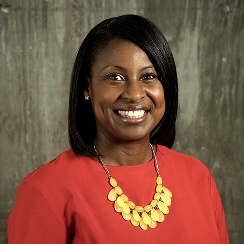
Tunua Thrash-Ntuk
The Center by Lendistry, Co-Chair President and CEO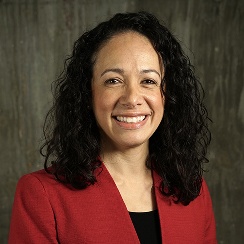
Noemí Otilia Osuna Gallardo
California Energy Commission, Co-Chair Commissioner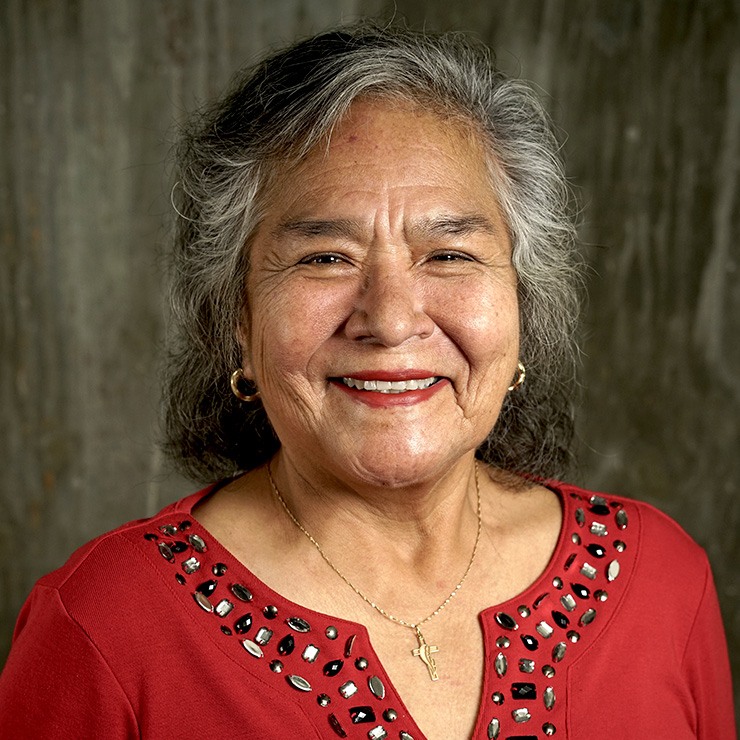
Ortensia Lopez
El Concilio of San Mateo County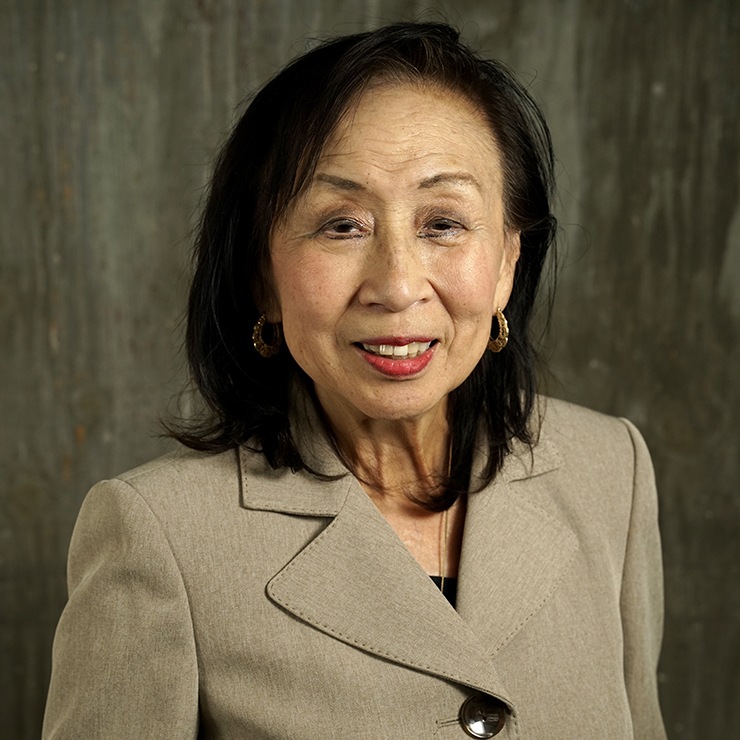
Darlene Mar
Council of Asian American Business Associations, Communications Chair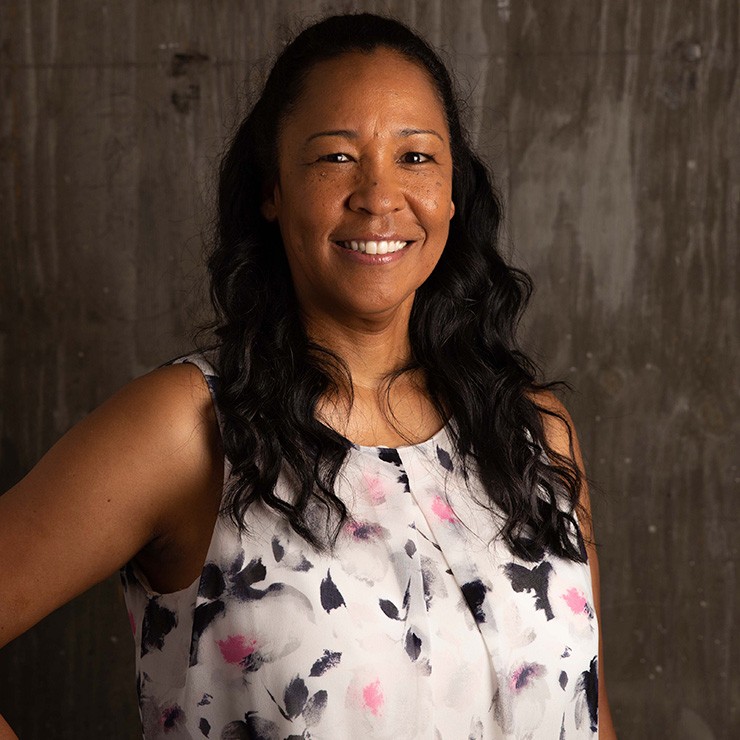
Debra Gore-Mann
The Greenlining Institute, CEO & President
Ashley Gerrity
GAAA, President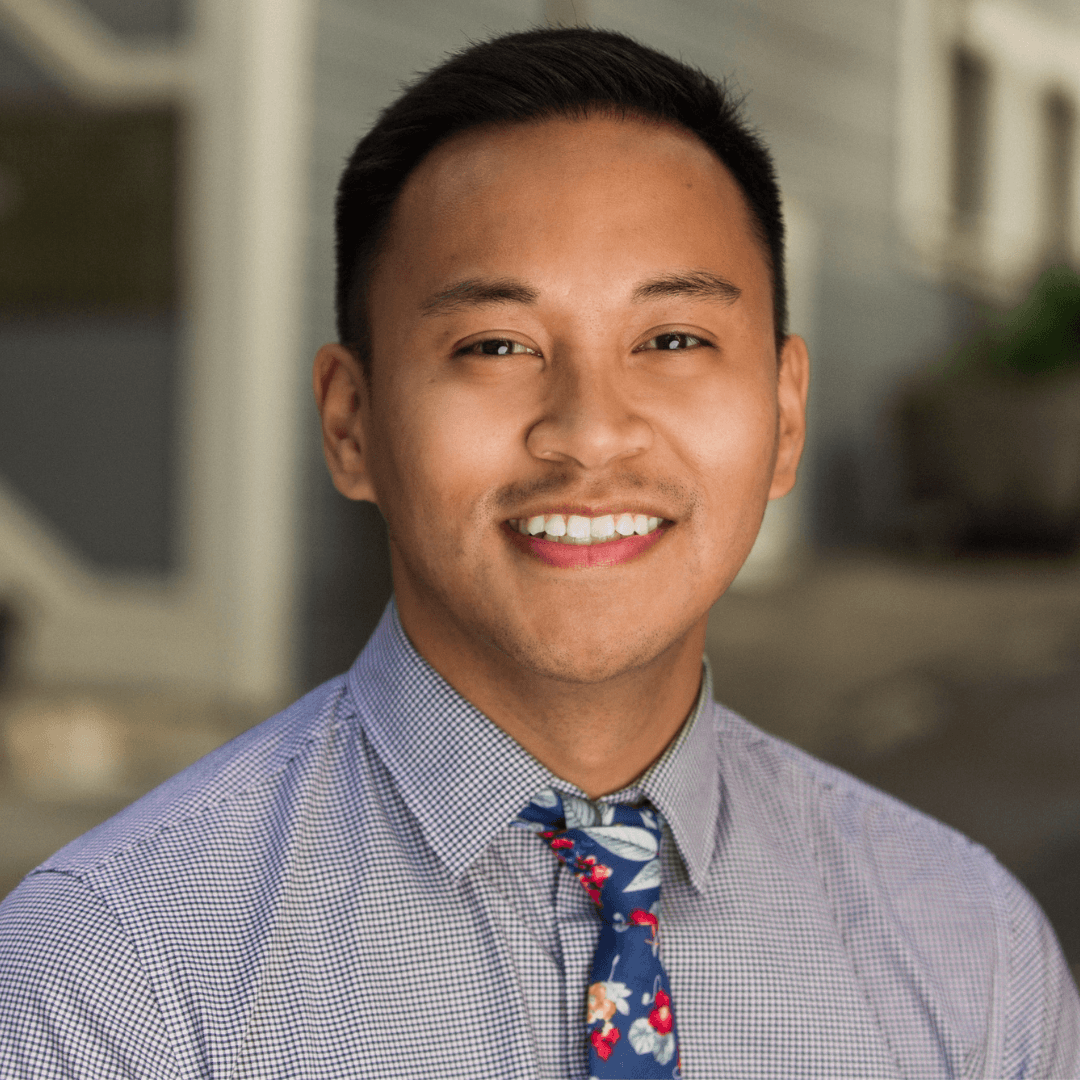
John Christian De Vera
Hirsch Philanthropy Partners, Secretary Director
Olga Talamante
Chicana Latina Foundation, Executive Director Emerita
Jose Antonio Ramirez
Community Development Inc., President
Meliha (Lida) Aljabar
American Forests, Senior Director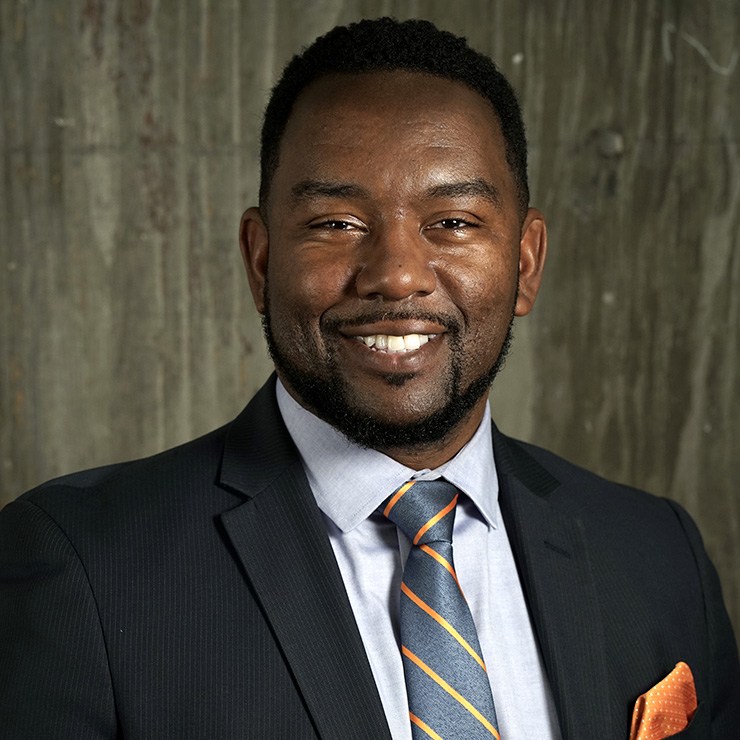
Tate Hill II
Access Plus Capital, Treasurer President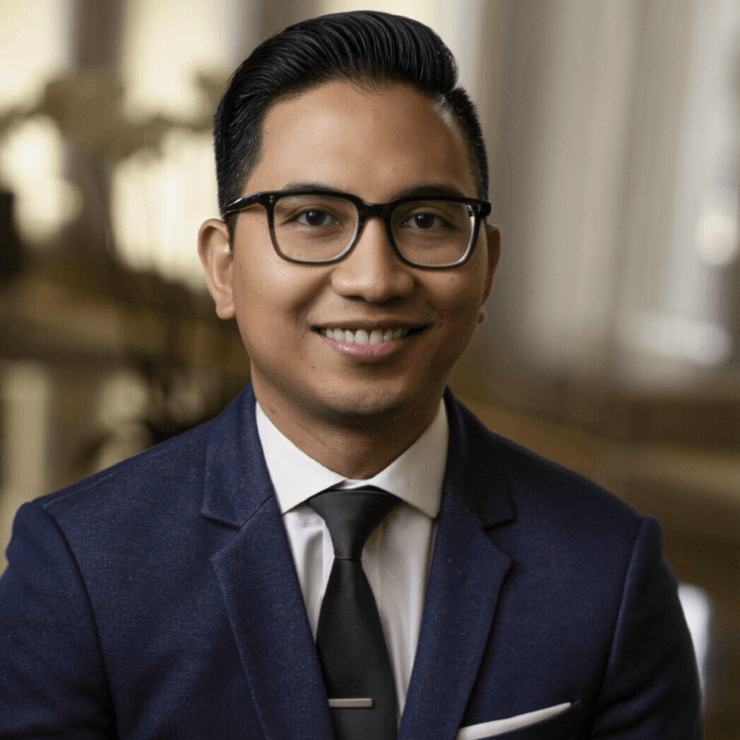
Jasper A. Cacananta
Comcast, Assistant Deputy General Counsel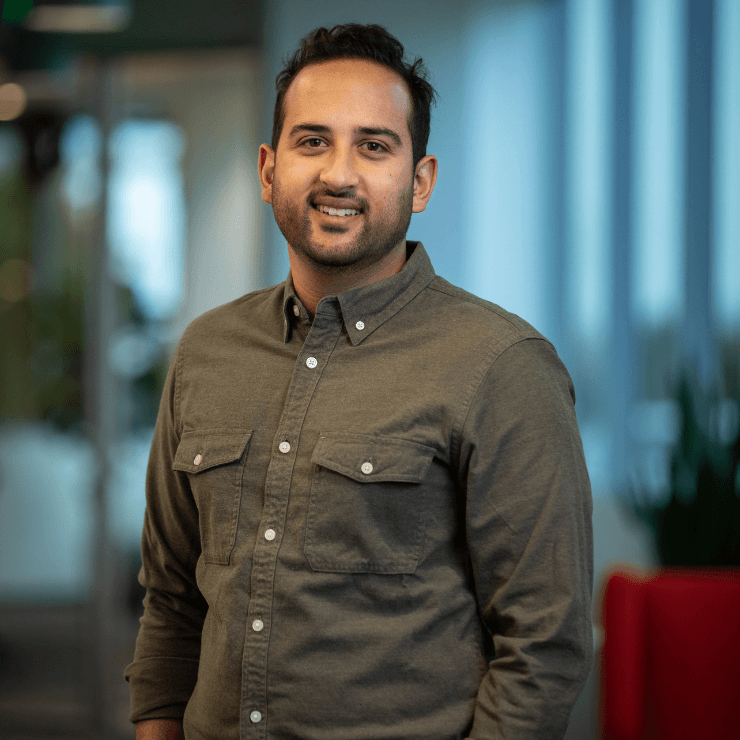
Samar Shah
Step, Chief Product OfficerFINANCIALS
2024 Financials
The 2024 financials reflect consolidated financial statements for The Greenlining Institute and Equity Works, a nonprofit business entity created to purchase Greenlining’s headquarters in 2015 and help advance Greenlining’s mission.
Greenlining’s strong financial position has enabled the organization to advance equity-driven policies and solutions that improve the lives of communities of color for over 30 years.
View All FinancialsThe Greenlining Coalition
The Greenlining Coalition is made up of diverse
community organizations that have banded together
around a shared mission of social justice.
In the 1970’s, the coalition had a simple vision: instead of competing for crumbs in an extractive economy, they would work together to create a future of abundance through a just economy—a greenlined economy.
Greenlining was founded in 1993 and the coalition still plays a key role in our work, lending important grassroots voices to our advocacy efforts, and keeping us grounded in the real-world experiences of their members and communities.