In Loving Memory: George Dean
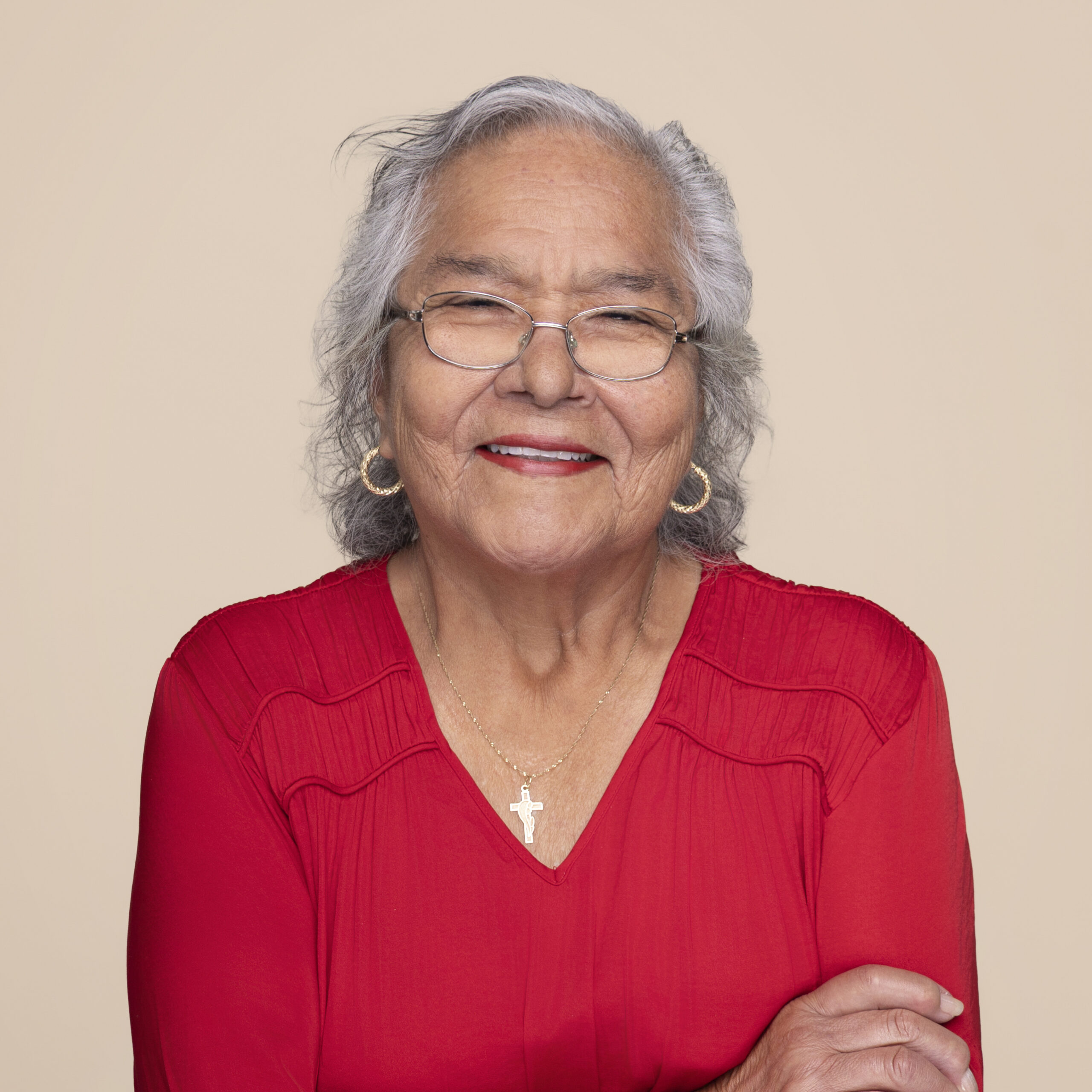
George Dean, Co-founder of The Greenlining Coalition and former Board of Directors Co-chair of The Greenlining Institute
It is difficult to put into words what George Dean meant to me, to Greenlining, and to the many communities he served.
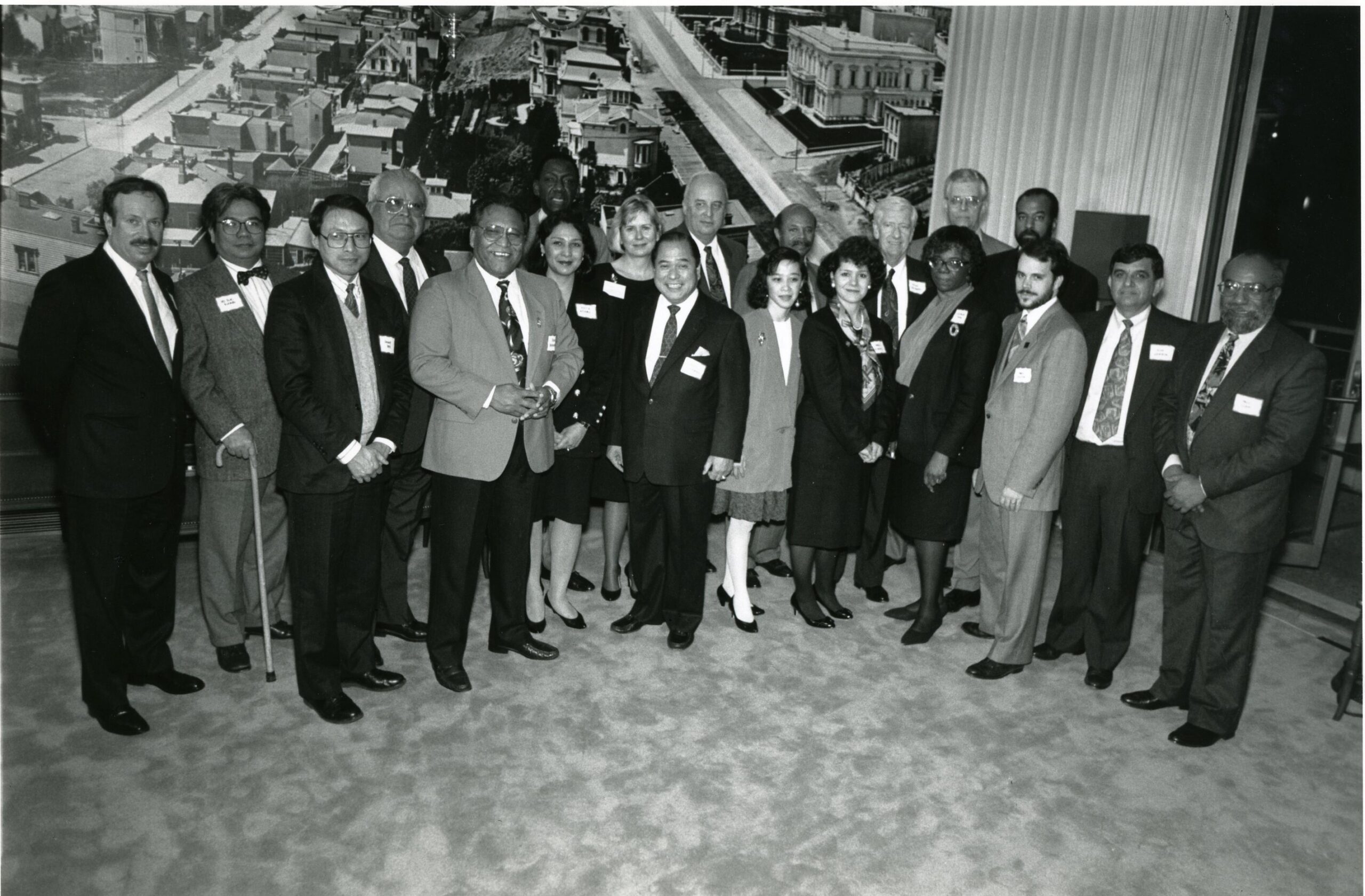
George and I began working together in the late 1980s, before The Greenlining Institute was formally established in 1993.
We were each working through our own organizations–George was with the Urban League and I was with El Concilio of San Mateo County, but we would come together when our communities’ well-being and economic opportunity were being threatened, which was often.
In recounting those days, George decried the egregiousness of redlining that continued as a standard practice for banks despite being outlawed in 1977. Some neighborhoods had no insurance officers; others, like Bayview-Hunters Point, a predominantly African American district in San Francisco, had just one major bank and no minority staff – making the prospect of getting a small business loan a near-impossibility. And this redlining cut across all institutions.
In response, we organized protests in front of banks, spoke out at the California Public Utilities Commission, and demanded institutions invest in our communities and listen to the people.
Over time, we saw the power of bringing our organizations together in solidarity, and in coalition. So much so that we named ourselves the Greenlining Coalition–the answer to redlining.
Eventually, we formed The Greenlining Institute and incorporated in 1993. Economic opportunity was always central to George. He understood that if small businesses couldn’t access capital, they couldn’t survive. He was also instrumental in the work around utility supplier diversity and GO 156–a CPUC rule that encourages utility companies to buy goods and services from diverse business owners–because he believed in investing in entrepreneurs of color as a key to driving economic equity and building generational wealth. Due in large part to his value for economic opportunity, one of Greenlining’s earliest efforts focused on leveraging data from the Home Mortgage Disclosure Act to argue for greater enforcement of the Community Reinvestment Act (CRA). “I don’t know if other groups had studied the Community Reinvestment Act and knew how to use it for leverage. It hadn’t been defined, hadn’t been utilized. Banks didn’t pay any attention to it,” he told the Greenlining team.
George and I were asked to serve as the organization’s first co-chairs, and we served in those roles together for 27 years. We remained close comrades and had tremendous respect for one another. We complemented one another. I believed then–and still believe to this day–that everyone’s voice needs to be heard. And, George knew when to push the coalition to take a firm position and unite around a common cause despite differences across our communities.
I learned so much from George. He was a man of principle and integrity. He had strong values, but he never needed to raise his voice to make his point. He had a warm, steady presence. Even after a difficult meeting, George had a way of making you feel that things were going to be okay.
One of the things I remember most is that George encouraged us to begin every board meeting by reading our vision and mission statement. It was his way of reminding us why we were there and who we were accountable to.
But George wasn’t only a leader. He was a father, a grandfather, a friend—and a joyful soul. George once told me, through his actions more than his words, that we have to keep preparing for the next generation. He wanted to make things better for his grandchildren.
That is how I will remember him–a man who showed up, a man of integrity, a man of the people, and a public servant who brought people together and worked to leave the world better for those who came after him.
George helped build The Greenlining Institute. And he helped build a movement that will carry his legacy forward.
Words cannot heal; but the fond memories, the laughter, the conversations, the bond and love of his work death cannot never take away.
May he rest in peace.