In A Moment Like This: Celebrating Juneteenth Against the Mirage of Black Liberation
“I am sick and tired of being sick and tired” -Fannie Lou Hamer
Honestly, I wish that we all could sit back, gather with our friends and families, and celebrate all that Juneteenth represents.
These days, when I wake up, there is a sickness that’s beginning to form in the pit of my stomach.
Somewhere, in a news room located in so many locales across the country, I. Can. No. Longer. Keep. Track.
Each second of the day (it seems like), journalists are drafting another breaking news story that features trauma after trauma against my communities – specifically Black folks – with no end in sight.
The Distance Between Freedom and Liberation
Before I dig into the challenges of existing in this time period, I wrote this blog – first and foremost – to commemorate and celebrate Juneteenth. We recognize Juneteenth as a federal holiday thanks to the extraordinary efforts of Dr. Opal Lee.
On June 19, 1939, when Dr. Lee was just twelve years old, she experienced a living nightmare when her family home in Marshal, Texas was burned to the ground.
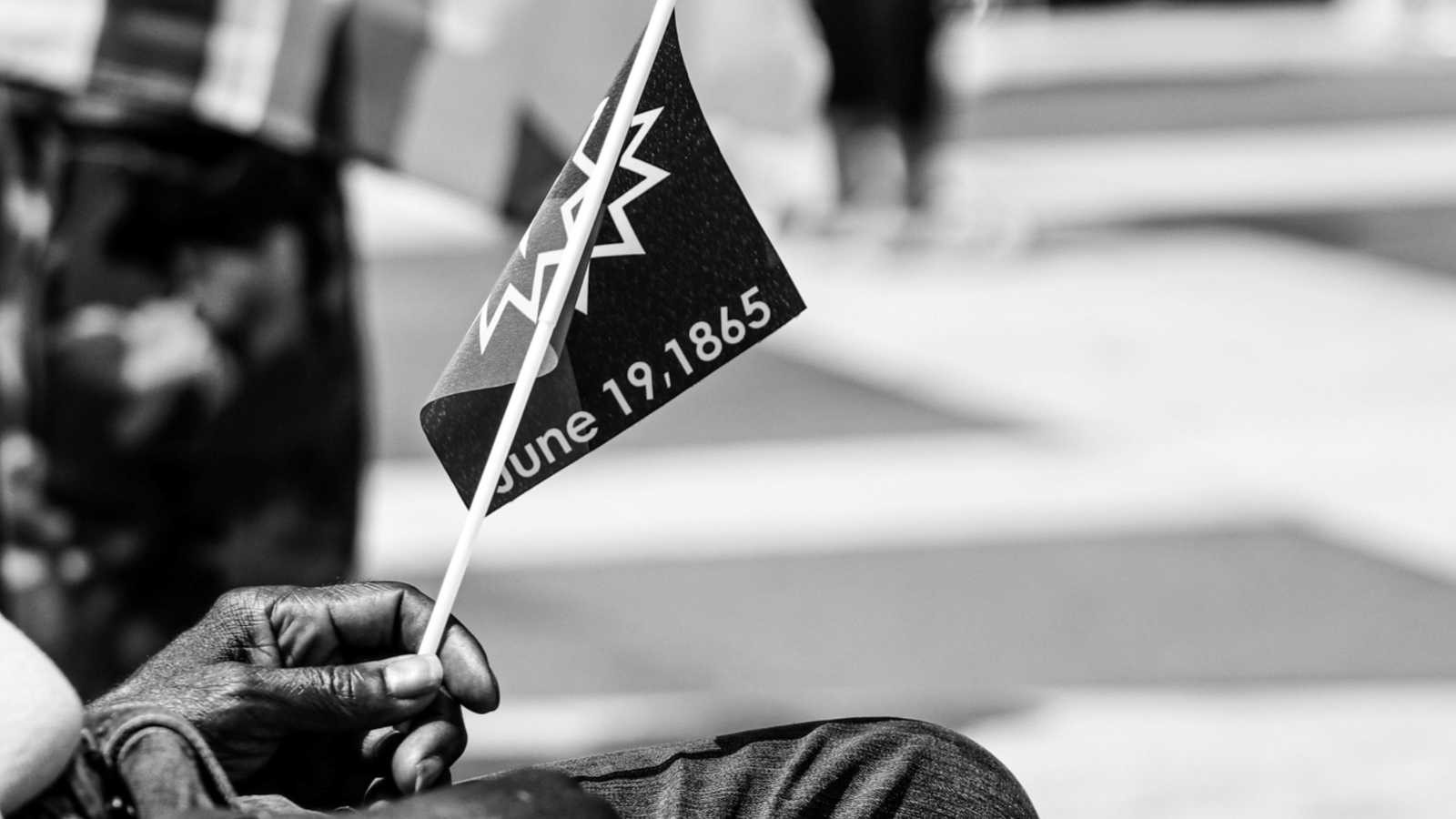
With this act of unspeakable hate in the rearview, Dr. Lee forged on. Her family relocated to Fort Worth to rebuild their lives, where shortly after her activism began to develop. Dr. Lee eventually set her sights on securing federal recognition for Juneteenth – a holiday commemorating the date in 1865 when Union troops arrived in Galveston, Texas to announce the remaining enslaved people there were free, over two years after the Emancipation Proclamation was issued.
Two years of unnecessary confinement. Let’s take a deep breath.
After decades of campaigning, Dr. Lee achieved this feat on June 17, 2021 when the Biden Administration signed a law formally establishing Juneteenth, on June 19, as a federal holiday.
As the true embodiment of “Good Trouble” that former Congressman John Lewis spoke of, Lee organized an annual 2.5 mile walk to represent the 2.5 years it took for word of the Emancipation Proclamation to reach enslaved Black folks down in Galveston. In an act of sheer determination (and to cement her lasting legacy), Dr. Lee, at 89 years young, conducted a symbolic year-long walk from Fort Worth, Texas to Washington, D.C. from 2016 to 2017.
I have so much respect and admiration for Dr. Lee’s efforts, but I’m left wondering:
Did Dr. Lee believe that this heroic and precedent-setting act – the inclusion of Juneteenth as a federal holiday – would be the path that got Black Americans to that next level of liberatory freedom?
Honestly, I hope that I have the chance to ask her someday.
The Mirage of the Goal Post
Some of us knew this was coming.
The Parents’ Group who meets every other Saturday afternoon down at DeFremery Park. The Pontificators. In academic circles. Even your Auntie’s Thursday night kitchen table conversation group! It’s becoming clear to many others with each new handed-down mandate that the goal post we were taught would get us to Freedom was a mirage.
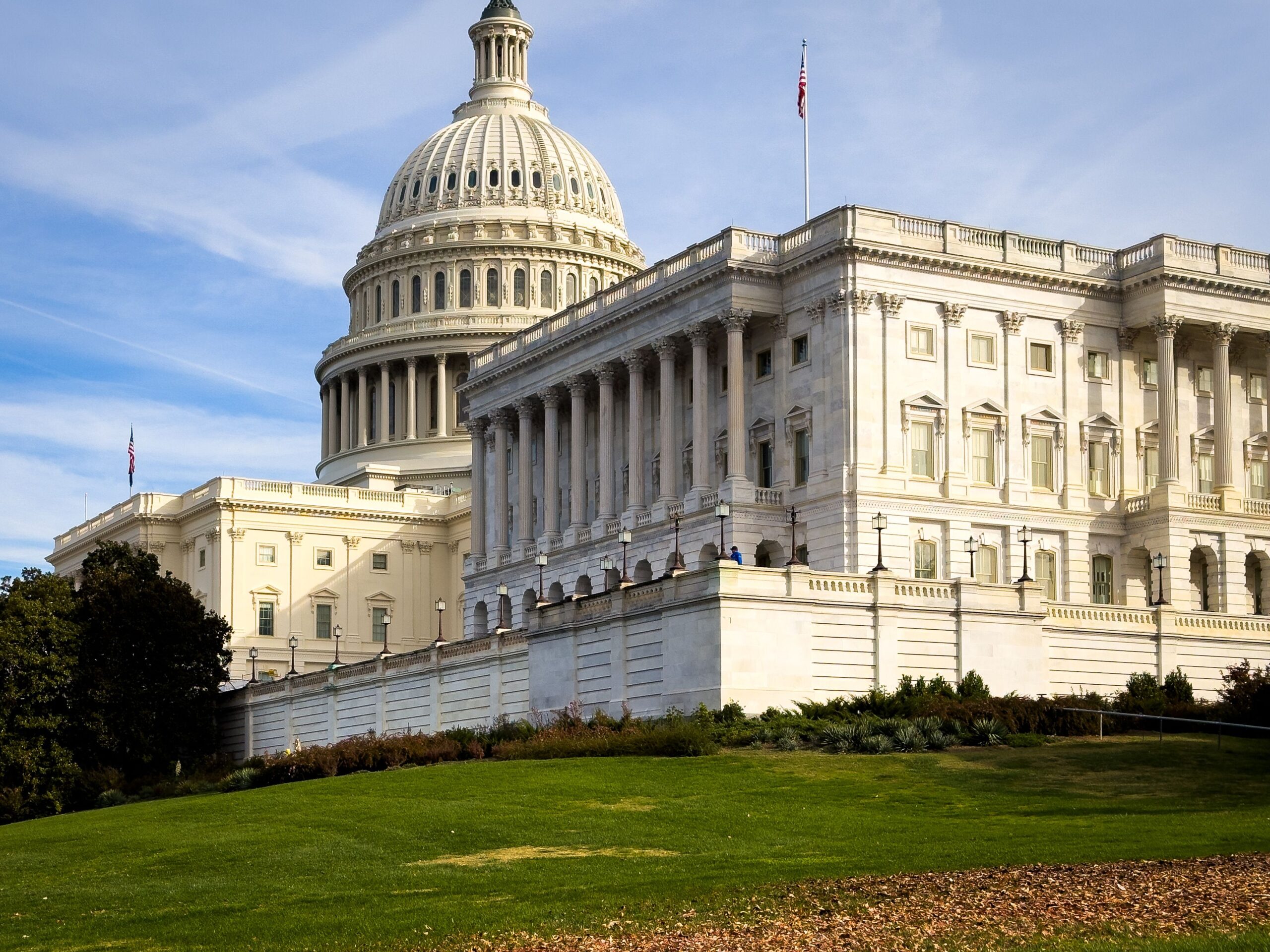
Just a few weeks ago, The U.S. Supreme Court issued a ruling that gutted Amendment 2 of the Voting Rights Act. It took less than a week after the Supreme Court’s decision for four governors in the South from Louisiana, Alabama, South Carolina and Tennessee to pass legislation that would allow them to legally “crack and pack” congressional maps in their respective states.
Although each act on its own was done maliciously, one especially egregious example came in Louisiana, where Governor Jeff Landry halted the state’s primary – which had already received over 100,000 early votes – so that a new map could be drawn that would eviscerate the state’s majority Black districts.
These are the times that we need to get clear about the “us” versus “them.”
When I think about the devastation and lasting impacts that the Supreme Court decision has on, not just Black communities, but on the very fabric of the democratic process, I get anxious.
Some of the previous positions I’ve held include electoral work – helping to get out the vote. Whether real or perceived, the implications that the rescission of this protection will have on down-ballot elections, school boards, city councils and the like – all part of the lifeblood of our communities – is significant.
When citizens do not see themselves represented in government spaces, (or they have been consistently excluded from the conversation) inevitably, they lose interest. As we all are becoming more and more aware, this isn’t a time for deactivation.
When Hate Becomes a Value of Governance
Day after day, we’ve witnessed the expansion of hate as a value. Congressional, state, and local decision-makers – elected to represent and protect their constituencies – are now emboldened by this administration’s tactics, openly wielding racism, anti-equity, and division as tools to consolidate power and wealth. This has fueled sweeping cuts that severely impact largely Black communities’ and communities of color’s abilities to safely seek healthcare, to access education, to exercise their right to vote via the democratic process, and to access justice.
And these impacts aren’t just being felt on the domestic front. We are seeing in real-time, foreign aid cuts to global allies. International trade and tariff wars have decimated farmers’ ability to work, creating global disruptions in food chains, and driving a crushing affordability crisis. Teachers are now unable to provide basic necessities for their students’ enrichment and advancement. The once popular phrase, “hope and change” no longer seems attainable under this heightened era of enforcement and oversight. Nowhere is it safe to simply exist and to thrive.
These policy decisions will take years to unravel. And even if we do, it is unlikely we will ever return to the familiar, yet insufficient version of a democracy we once knew. It is more clear than ever that performative support – commemorative holidays, statements of solidarity, and symbolic gestures – are not enough if it is not paired with concrete policies that protect our communities, invest in our futures, and shift power into the hands of those most impacted.
We are at a reckoning on every level. What, and who are you willing to fight for?
Beyond Symbolism: Building Community Power
When I hold the story of Dr. Opal Lee and Juneteenth alongside the reality of the political moment we are living through now, it is painfully clear: recognition matters, but it is not the same as freedom. We cannot have freedom without power. That is why work beyond symbolism matters – especially today.
As an organizer and advocate, I am driven by the core belief that Black, Indigenous, and Queer frontline communities must shape policy decisions that impact their lives. For communities that have long been excluded from spaces where local, state, and federal policy reform takes place, a seat at the table is not enough. We must be equipped, supported, and encouraged to lead.
I carry this belief into my work as one of the Project Leads of the Towards Equitable Electric Mobility Project, or TEEM, here at Greenlining.
By co-designing and co-developing programs and policy recommendations alongside communities who have been historically omitted from governance, I’m doing my part to make sure that we don’t just have a seat at the table – we are empowered and ready to lead.
TEEM is a replicable storytelling and power-building model that unites frontline environmental justice and grassroots organizations in North Carolina, Illinois, Michigan, and Virginia, to drive state-level policy campaigns for affordable, accessible electric vehicles and mobility in Black, Indigenous, and communities of color.
We work with a network of partners to:
- Advance policy campaigns focused on equitable electric vehicle charging and electric mobility access
- Build narrative power by amplifying stories that highlight affordability and real-world benefits
- Develop community leadership by training residents to translate lived experience into advocacy
- Organize grassroots advocates to participate in campaigns
- Activate public pressure through coordinated storytelling, events, and advocacy
TEEM breaks down movement silos by partnering with national coalitions like the Clean RIDES Network to influence policy, funding decisions, and institutional leadership. These partnerships build the collective power needed to secure and sustain a future where everyone, regardless of race, has access to clean transportation.
TEEM is an example of Greenlining’s theory of change in action – building community capacity, bridging the gaps between frontline communities and decision-making power, and challenging the systems that intentionally created those gaps to keep us out.
Defending: For Our Lives
Clean transportation is one important front, but the attack on Black folks’ lives is coming from every direction.
Across the country, neighborhood, state, and national advocates are bearing witness and fighting (for our lives) against the devaluing of our collective humanity.
It’s important to be explicit when naming the harm. The Congressional Black Caucus Foundation has been closely monitoring a series of executive orders and presidential actions issued by this administration that they’ve flagged will have profound implications for Black Americans. These directives target critical areas such as economic opportunity, education, criminal justice, health equity, and civil rights protections. They pose serious threats to the progress and well-being of Black communities, risk exacerbating systemic inequities, and could undermine hard-won gains.
Dr. Opal Lee’s work to establish Juneteenth as a federal holiday helps ensure our history – and the delayed promise of freedom – are not erased. But honoring that legacy today means we can’t confuse recognition with liberation.
I’m left to imagine…what will it take to live in a country where true Liberation and Justice for Black communities isn’t an ideal we romanticize on federal holidays – but is upheld by policies, protections, investments, and shifting our collective power. Until that day comes, Juneteenth remains both a celebration and a charge – to remember what freedom has cost us, to name what still threatens it, and to continue building the power necessary to make it real.