Who Foots the Bill for Oil Wars? At Home and Abroad, it’s Communities of Color.


Affordability is the word of the year in California, dominating news headlines, legislative priorities, and voter concerns. As housing, utility, and grocery costs rise, Californians already stretched thin now face a new affordability crisis: spiking gas prices linked to the U.S.-Israel war on Iran.
Since the start of the war in late February, oil prices saw their largest one-month surge of all time, translating into over $220 per U.S. household paid in excess gasoline costs so far. For a country still highly dependent on gas-powered vehicles, this means more expensive commutes and less money for food, healthcare, childcare, electricity bills, and rent — basic costs that have skyrocketed faster than wages over the past decade.
These pressures are already forcing impossible choices: 19% of lower-income Americans reported choosing between food and heating during the winter as grocery prices and energy bills rose. Essential goods like groceries, medications, and agricultural fertilizers, already more expensive due to tariffs, are also expected to face supply chain squeezes as the Strait of Hormuz – the main travel route for global oil – remains closed.
But this is not just a story about gas prices. What we’re feeling in our wallets today is connected to bigger questions about who pays when our economy, transportation systems, and foreign policy remain dependent on oil. At home and abroad, the answer is often the same: communities of color and low-income communities are forced to absorb the highest costs of systems they did not create.
Affordability Has Always Been Racialized
While more Americans are feeling the strain of rising costs, unaffordability concerns aren’t new for communities of color that bear the consequences of longstanding racial inequities. Cost-of-living burdens have always fallen hardest on those with the fewest resources, and those resource gaps exist by design. We can draw a direct throughline from America’s roots in chattel slavery and anti-Blackness, to the redlining that cut off communities of color from physical and socioeconomic mobility, to the disparate impacts of war now.
The Systems That Be: Global Extraction
This war on Iran is only the most recent in a long line of wars, violence, and foreign interventions driven by oil. And while Americans are feeling real impacts at the pump, the deepest human tolls are taking place abroad, particularly in the Global South.
Pakistan, Sri Lanka, Bangladesh, the Philippines, Egypt, and Ethiopia are among the countries experiencing war-driven fuel shortages, leading to national fuel rationing, energy use reductions, school and office closures, and other emergency response measures. Beyond fuel shortages, more than 1,700 civilians, including at least 251 women and 248 children, have been killed in Iran since the end of February.
The U.S. plays an outsized role in oil-driven geopolitical conflicts. The U.S. Department of Defense is the single largest consumer of oil, and the U.S. military is the single largest source of pollution worldwide. Gas price spikes, then, aren’t merely an economic issue. They expose an oil-dependent system that drives inequality at home while continually sanctioning U.S. imperialism abroad. Similar to how the economic burdens are distributed inequitably in the U.S., the worst consequences of war, oil dependence, and extraction are distributed inequitably globally.
Globally, people of color are often the first to bear the human cost of oil-driven conflict, whether through displacement, economic collapse, or military violence. Until we confront oil dependence as a systemic issue deeply rooted in racial injustice, we will continue to export violence and harm while insulating ourselves from the full consequences of extraction.
This is how extractive systems work: those in power make decisions that protect their own interests, then push the costs onto people and nations with less power. By design, the people who profit from these systems are shielded from their worst consequences, while those with the fewest resources are forced to absorb them.
What we experience at the grocery store, in our energy bills, and at the pump is not separate from what happens abroad. These are the everyday impacts of a larger system built on extraction.
By Design: Oil Dependence Shapes Daily Life
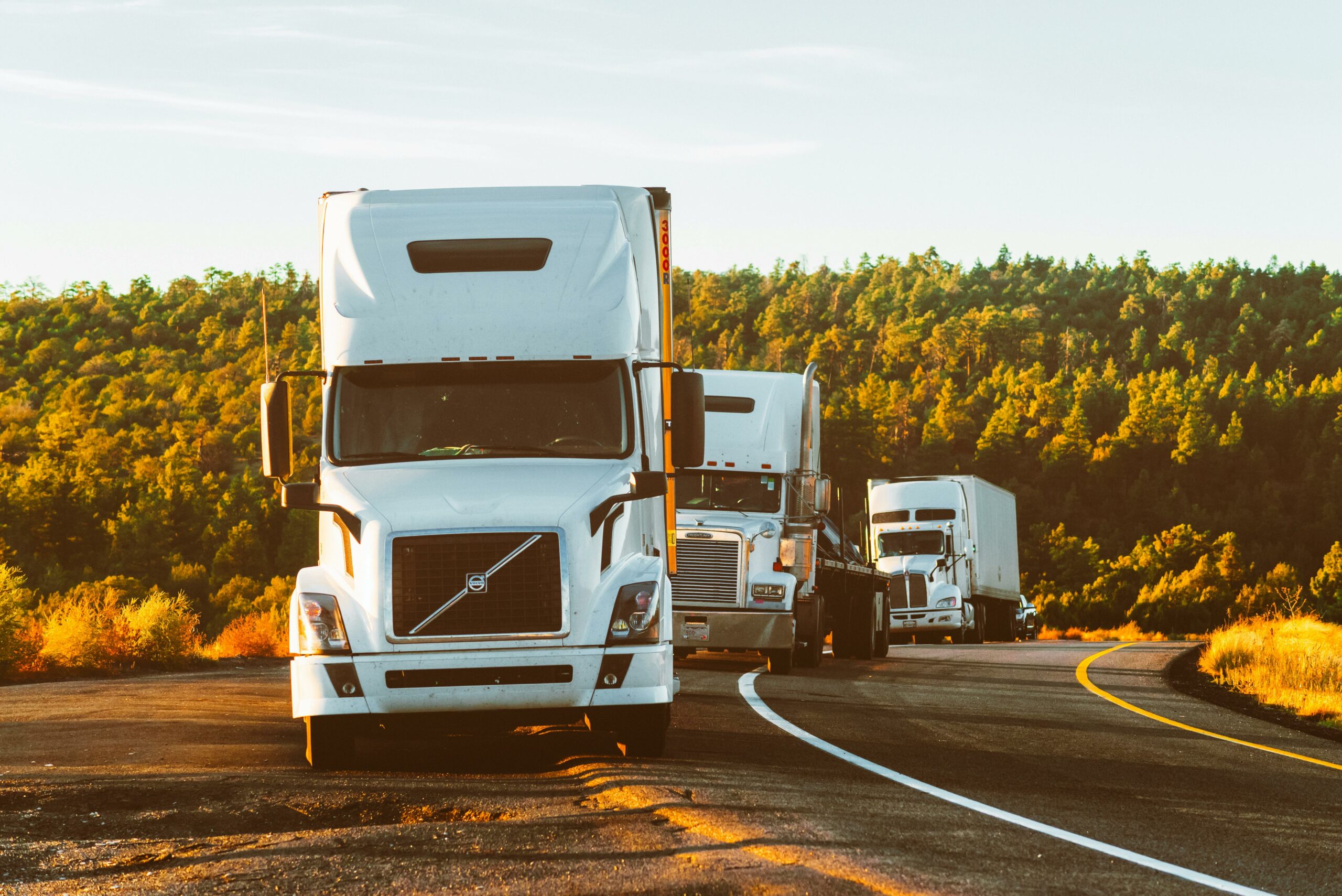
For most Americans, U.S. dependence on oil shows up in how we get around. Decades of policy decisions, influenced by record lobbying spending from the oil industry, have made driving a necessity rather than a choice, locking millions into dependence on gasoline-powered transportation.
That dependence comes at a steep cost. The average cost of simply owning a car is nearly $12,300 per year, which breaks down to about $1,025 per month. For low-income households, the burden is heaviest, spending more of their income on transportation costs compared to any other income group.
The high price of car ownership, combined with rising gas prices, forces many households to spend a disproportionate share of their income just to access jobs, education, and basic needs. Research has shown that long commute times are one of the biggest barriers to escaping poverty, yet our current system continues to push those with the least resources the farthest away from economic opportunity.
Policymakers and the oil industry have also created sacrifice zones at home: communities where excessive pollution, displacement, and unaffordable housing are tolerated to accommodate transportation infrastructure, like highways. These communities are often Black, Latino, Indigenous, and low-income.
U.S. dependence on oil fundamentally shapes how people get around — and ensures that communities of color and low-income communities suffer the worst consequences of a system built around cars, highways, and fossil fuels. That dependence reaches far beyond transportation, connecting everyday affordability pressures in the U.S. to a larger system of global inequality and violence.
The Urgent Case for a Just Transition
The human cost of the war in Iran, untenable gas prices and cost of living, and accelerating climate change all point to the same conclusion: we need a just transition away from oil and gas to renewable energy and electrified transportation as soon as possible.
Other countries are proof that dependence on fossil fuels is not inevitable. Albania, which generates over 90% of its energy from hydroelectric power, has been reportedly insulated from major price spikes, while global renewables leader China posted record high exports in solar energy, batteries, and electric vehicles in March 2026.
In California, this transition has been slowly underway. Since 2018, forty-six oil refineries have shut down across the state, leaving 11 operational facilities as oil demand winds down. At the same time, Californians have purchased more than 2.6 million electric vehicles, leading the country in transportation electrification, even as Americans largely lack access to the more affordable vehicle models available abroad.
But more efforts are needed to ensure that the 100,000+ oil and gas workers in California are not stranded during this energy transition, and that environmental justice communities who have borne the highest climate and health harms from oil extraction and pollution are prioritized for clean mobility and transportation investments. Without these considerations, we risk reproducing the very racial, economic, and environmental inequities that the oil-dependent system created.
The Price of Oil Has Never Just Been Economic
The war in Iran demonstrates that the price of oil is never just economic. The same structures that normalize violence abroad also make it easier to accept inequality at home, where some communities are expected to bear more harm. War depends on the idea that some lives are more expendable than others. So do the highways built through communities of color, the power plants sited next to low-income communities, and the military-industrial complex’s collusion with the oil industry for profit.
What this moment demands is a fundamental reshaping of interconnected systems: around war, power, energy, and how fundamentally we move through our communities.
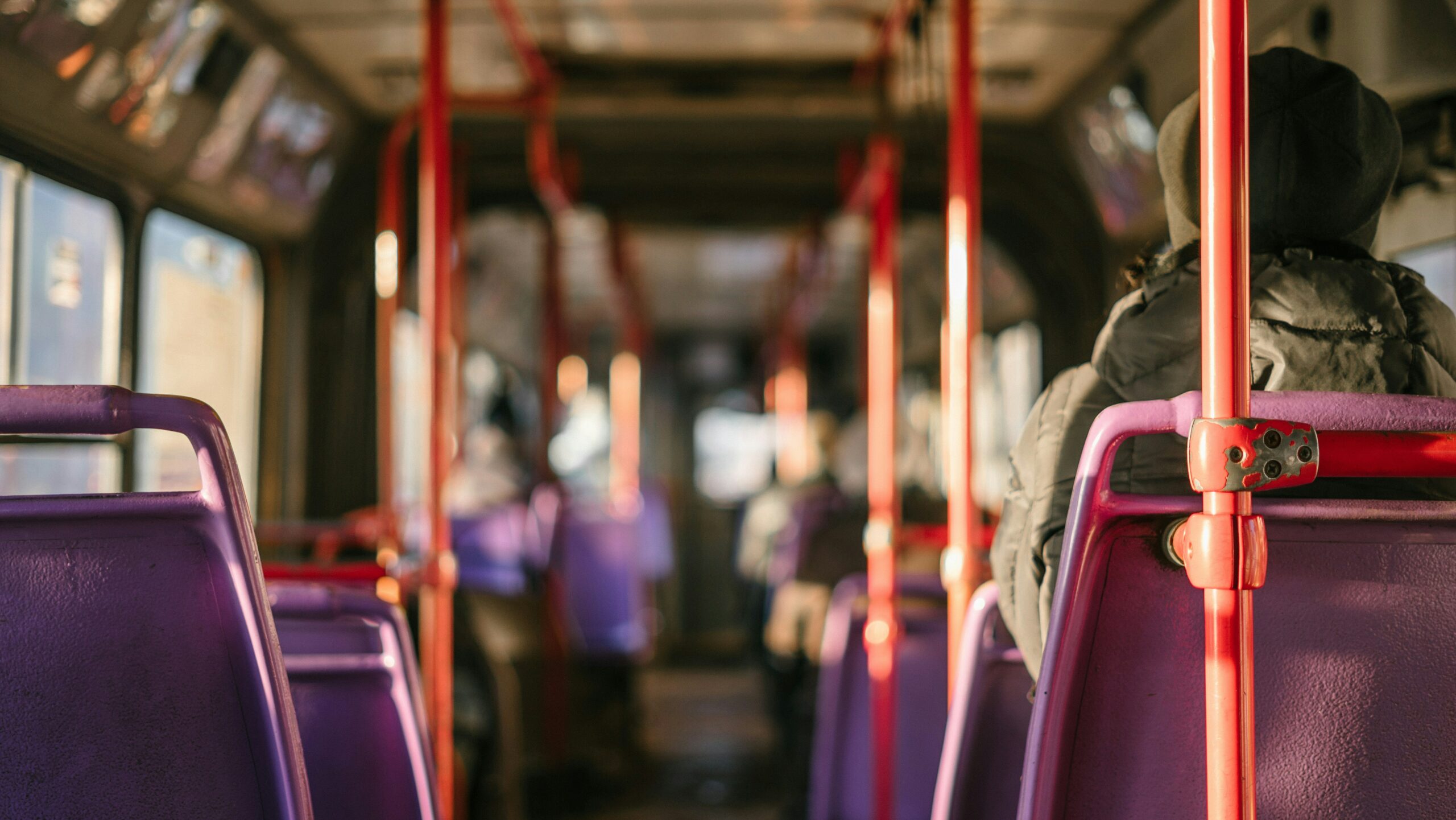
A just transition means more than swapping gas cars for electric ones. It means redirecting highway funding toward clean, accessible transit that actually serves communities of color. It means investing in reskilling oil and gas workers and creating new green career pathways so the energy transition brings working people along. It means divesting from the military. In order to move from an extractive economy, we must fundamentally shift power away from oil companies and warmongers into the hands of workers and communities instead.
The war on Iran reveals the exact violent, inequitable system that communities of color already knew existed, and have been paying the price for both at home and abroad. The question is not whether we can afford to transition away from oil. The question is, how much longer can we afford not to?